



Car seat laws in Canada by province
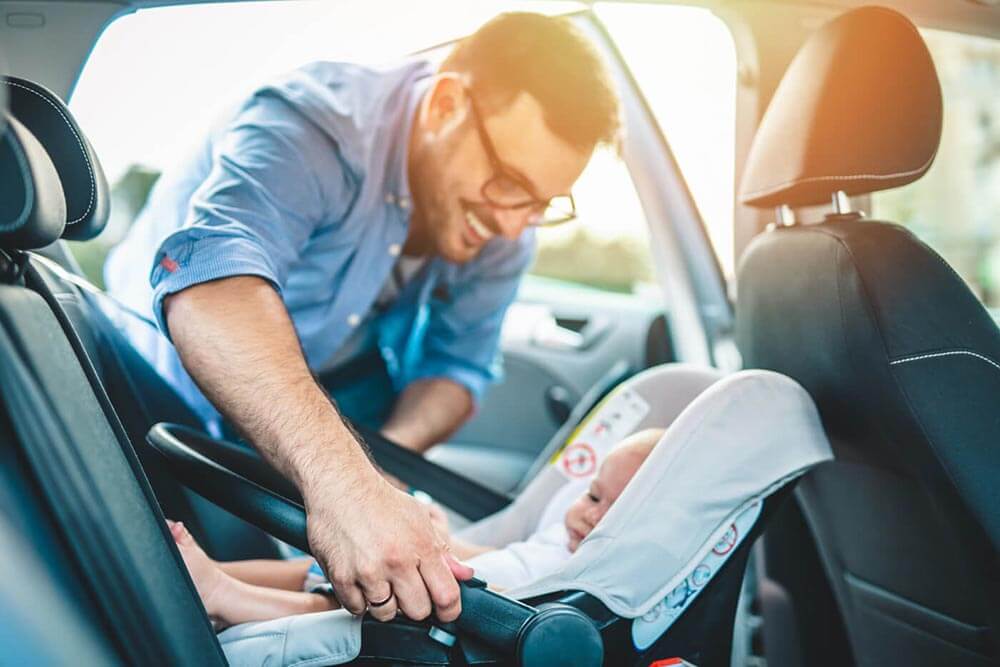
Getting from point A to B with your little one safely in tow is every parent's top priority. But with rules changing from province to province, understanding Canada's car seat laws can feel like a road trip without a map! Don't worry - we're here to help you navigate the ins and outs of car seat and booster seat laws for every Canadian province.
Read on to learn about the age, weight, and height requirements, plus get tips for keeping your child safe and staying on the right side of the law on the road, no matter where you are in Canada.
Why is it important to understand Canada’s car seat laws?
It’s simple: Using the right car seat or booster seat is the best way to protect your child in a crash. Canada's car seat laws are in place to save lives and prevent injuries. These rules are based on extensive research and crash testing, ensuring that your child has the best protection possible. Following them isn't just about avoiding a ticket; it's about peace of mind. Plus, staying up-to-date on the regulations ensures you're always using the right seat for your child's developmental stage, which is a key part of overall car seat safety.
Car seat stages for children in Canada
Before we dive into the provincial specifics, let's talk about the four stages of child car seat use outlined by Transport Canada. The golden rule is to keep your child in each stage for as long as possible, until they reach the maximum weight or height limit for that seat:
- Stage 1: Rear-facing seats. Your child is safest in a rear-facing seat. Keep them in this position for as long as you can, often until they are at least two years old. This stage starts with an infant seat and can continue with a larger convertible seat, still facing the back.
- Stage 2: Forward-facing seats. Once your child has outgrown their rear-facing seat's limits and is at least 10 kg (22 lbs), they can move to a forward-facing seat with a five-point harness. They should stay in this seat until they've hit the manufacturer's maximum height or weight.
- Stage 3: Booster seats. When your child is at least 18 kg (40 lbs) and has outgrown their forward-facing seat, it’s time for a booster seat. A booster helps the car's seat belt fit them properly over the strongest parts of their body. The rules about car seats and booster seats vary, but this is a critical step.
- Stage 4: Seat belt. The final step! A child can move to a regular seat belt once they meet their province's specific requirements (usually around 9 years old or 145 cm tall) and the seat belt fits them correctly without a booster.
Car seat laws by province
While Transport Canada sets the national guidelines, car seat laws in Canada can vary by province. It’s important to know the specific rules for where you live and drive. Here’s a breakdown from coast to coast.
British Columbia
In BC, the booster seat laws are clear. A rear-facing seat is required until at least 1 year old and 9 kg (20 lbs). A car seat (rear- or forward-facing) is mandatory until 18 kg (40 lbs), and a booster seat must be used until age 9 or 145 cm (4’9”) tall.
Alberta
A car seat is required until age 6 or 18 kg (40 lbs). Alberta recommends using a rear-facing seat until at least age 2 and a forward-facing seat and booster seat until the child reaches the manufacturer's maximum limits.
Saskatchewan
Your child must be in a car seat appropriate for their age, weight, and height until they are at least 18 kg (40 lbs). After that, a booster seat is required until they are 7 years old, or 36 kg (80 lbs) and 145 cm (4’9”) tall.
Manitoba
Manitoba requires children to use rear-facing and then forward-facing seats until they reach the maximum height and weight limits set by the manufacturer. Then, a booster seat must be used until age 9, 36 kg (80 lbs), or 145 cm (4’9”) tall.
Ontario
The Ontario car seat laws state a rear-facing seat must be used until a minimum of 9 kg (20 lbs). A car seat is needed until 18 kg (40 lbs). A booster seat is mandatory until age 8, 36 kg (80 lbs), or 145 cm (4’9”) tall.
Quebec
Quebec law requires a car seat that is appropriate for your child’s age, weight, and height. A booster seat must be used until they are 9 years old or 145 cm (4’9”) tall.
Newfoundland and Labrador
A rear-facing seat is needed until at least 9 kg (20 lbs), and any car seat is required until 18 kg (40 lbs). A booster is a must until your child is 9 years old, or a minimum of 37 kg (81.5 lbs) and 145 cm (4’9”) tall.
New Brunswick
You must use a car seat suitable for your child’s age, weight, and height. A car seat or booster seat must then be used until your child is 9 years old, 36 kg (80 lbs), or 145 cm (4’9”) tall.
Prince Edward Island
A rear-facing seat is mandatory until at least 1 year old and 10 kg (22 lbs). A car seat is required until 18 kg (40 lbs), and a booster seat must be used until age 10 or 145 cm (4’9”) tall.
Nova Scotia
Similar to PEI, a rear-facing seat is needed until at least 1 year old and 10 kg (22 lbs). A car seat is required until 18 kg (40 lbs), and a booster seat is mandatory until age 9 or 145 cm (4’9”) tall.
How to stay compliant with Canadian car seat laws
Navigating the legal booster seat requirements and other rules can feel tricky, but it boils down to a few key actions to help keep your child safe:
- Choose a Canadian-approved seat: Only use car seats that have the National Safety Mark label. This means the seat is certified for use in Canada. Using a seat from the US, even if it looks identical, is illegal and may not be safe.
- Register your car seat: When you buy a new seat (or some baby gear), fill out and mail the registration card. This ensures you'll be notified of any safety recalls.
- Check expiry dates: Did you know car seats expire? The plastic can degrade over time. The expiry date is usually printed on the seat, so be sure to check it and be aware of the date.
- Install it correctly: An improperly installed car seat can't do its job. Follow the manufacturer's instructions to the letter and your vehicle's owner manual. When in doubt, have a certified technician check your installation.
Ensure you’re covered while driving with your children in the car
Keeping your family safe on the road is your number one job, and making sure you have the right protection in case of an accident is ours. With the right car insurance, you can drive with confidence while knowing you're covered, no matter what might happen on the road. Sonnet offers customizable coverage that fits your family's needs and budget. Get a quote online in minutes!
The summary provided is for information purposes only; it is not legal advice, and is not a substitute for doing your own research into the laws that govern child car seats in the province or territory in which you live.