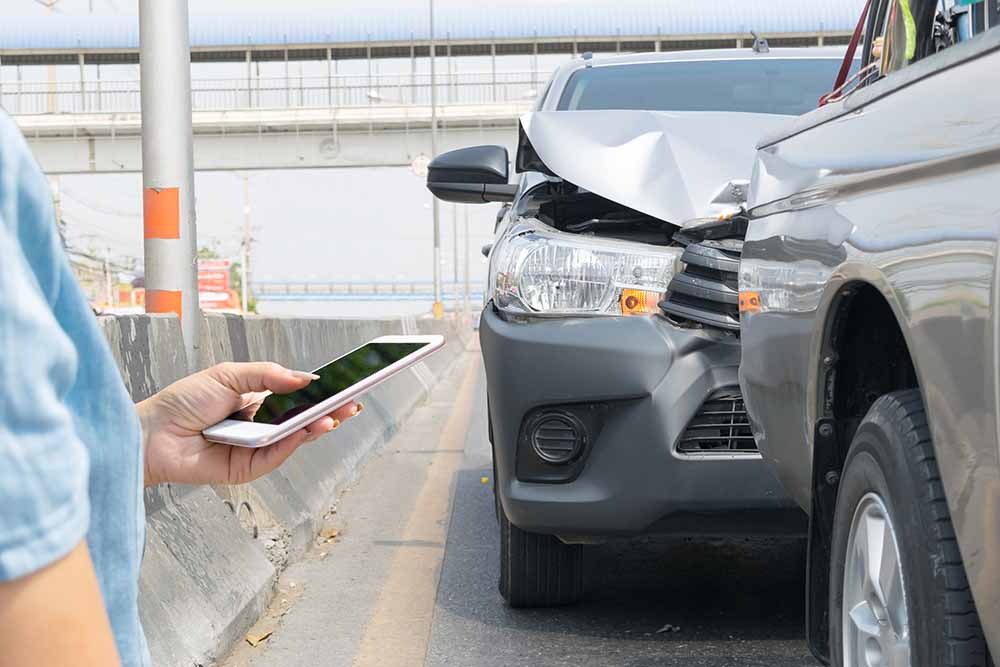
So you’ve gotten into a car accident – what do you do next? We know it can be overwhelming, especially if it’s your first time being involved in a collision. But, don’t panic. Accidents happen, even to great drivers. That’s why
If you’ve just gotten involved in a car accident in Canada, here’s what you should do, step by step:
Stop Safety first – and stay calm Clear the road When to call 911 Exchange information Document everything Collision reporting centres Towing and roadside assistance Make a claim
Stop
Apologies if this one was obvious, but we’ve got to say it: Don’t leave the scene of a car crash. If you’re in a collision, you need to stop and stay at the scene, otherwise you may be subject to a criminal investigation.
Safety first – and stay calm
Is anyone hurt? Check to see if anyone is injured, and if so call 911 immediately.
Then, take a deep and try to remain calm. Everyone involved in a car accident is going to be shaken, stressed, and perhaps agitated. But if you take a second to gather yourself and keep calm, you’ll be able to think clearly and make better decisions.
Clear the road
If it’s safe to do so, move your vehicle to a safer place. For example, if the collision happened in a live lane and your vehicles are blocking traffic, move them off to the side of the road (again, only if it’s safe to do so) in order to clear the way for other drivers. Also, make sure to turn on your vehicle’s hazard lights.
When to call 911
The rules vary by province but, in general, you’ll want to call 911 right away if:
· There are injuries (as mentioned above).
· You suspect criminality, such as drivers being under the influence of alcohol or drugs.
· The total damage to vehicles or property exceeds a certain threshold. In Ontario, for example, if you suspect the combined damage to all vehicles is more than $5,000, you must call 911.
Exchange information
Exchange driver’s licence, insurance policy and contact information with other drivers involved in the collision. (Taking photos of each other’s documents is a fast, easy way to record all this info.) Also, if there are witnesses, be sure to get their names and phone numbers too, so police can contact them if necessary.
We know this can be a lot to remember when you’ve just been in a crash, so it may help to print this
Document everything
Take lots of pictures. Assuming it’s safe to do so, take photographs of the damage to all vehicles, as well as the scene of the collision. When assessing the damage, don’t touch broken glass, sharp metal, exposed wiring, the engine (it’ll be hot!) or anything else dangerous.
Also note the time and date, the location, the weather, how fast you were going, who else was in the car and your recollection of what happened.
Collision reporting centres
Certain areas of the country (including
If your collision meets any of those above criteria, you must report your collision to a Collision Reporting Centre as soon as possible. Bring your vehicle, licence, ownership and insurance slip. And, yes, you must go in person. If you’re not sure if you need to go to a CRC or not, call the police to be sure. Better safe than sorry.
Towing and roadside assistance
If your vehicle needs to be towed, you have options. You can use a tow truck that shows up to the scene of the collision, or you can choose to use a tow truck of your choice. (Here’s what to know about
You have the right to choose where your vehicle gets towed, unless you’re in an area that uses Collision Reporting Centres; in that case, all vehicles being towed from the scene of an accident will need to go to a Collision Reporting Centre first, before going to a repair centre. If in doubt about a tow, just call your
Make a claim
As soon as possible, let your insurance company know what happened and ask for next steps. Making an
If all of this stresses you out, don’t worry, that’s a perfectly normal reaction. A collision is stressful! We know, it’s a lot. But, car accidents do happen. That’s why having good