

How to keep your car safe during hail season
Keeping car safe during hail season

How much damage can a hailstorm do? 

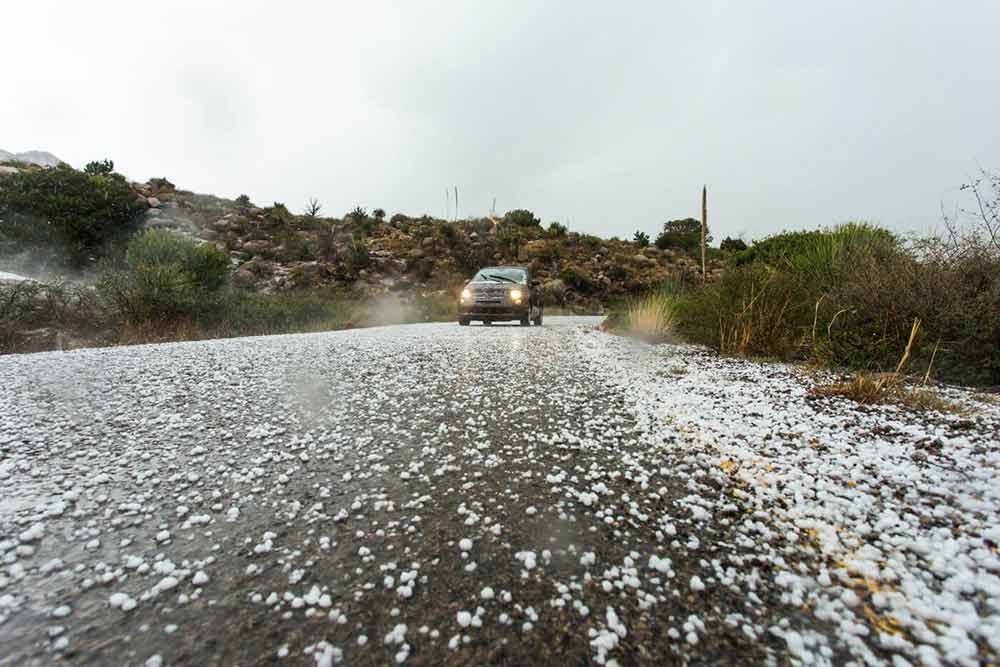
Warmer weather means more sunny days and road trips, but it also brings the risk of hailstorms. These storms can pop up quickly, and even a brief one can cause significant damage to your vehicle (not to mention to your wallet in the form of an expensive car insurance claim). Hailstones start as tiny ice pellets and are tossed around in storm clouds, growing larger as they collect more water. By the time they fall, they can range from pea-sized to the size of a golf ball or even a softball! 
 
While this weather phenomenon might be fascinating, it can be devastating to an unprotected vehicle. When these chunks of ice hit your car, they can leave a trail of destruction. The most common issue is cosmetic damage, like dozens of small, unsightly dents across the roof, hood and trunk. This can be expensive to repair and can lower your car's resale value. Larger hailstones can cause more severe problems, from deep dents that chip your paint to cracked or completely shattered windows, windshields and sunroofs. Plastic elements like side mirrors and light covers are also vulnerable. That’s why understanding how to protect your car from hail is the best way to avoid a hefty repair bill. 

  • How much damage can a hailstorm do? 
  • How to prepare your car for a hailstorm 
    • Sign up for weather alerts 
    • Review your auto policy 
    • Consider investing in a carport 
  • How to protect your car from a hailstorm 
    • Use a car hail cover 
    • Try a hail blanket 
    • Place floor mats on your windshield
    • Use cardboard boxes
    • Fold your side mirrors in
    • Park under a tree (with caution)
    • Find a covered parking spot 
  • What to do if you get caught in a hailstorm while driving
  • What you should do after a hailstorm 
  • Does car insurance cover hail damage? 
  • Manage your car insurance with Sonnet

How to prepare your car for a hailstorm 

Being proactive before a hailstorm hits is the best strategy to prevent damage. A little preparation goes a long way in providing your car with effective hail protection. Here are a few simple but crucial steps you can take to get ready for hail season: 

Sign up for weather alerts 

First is to stay one step ahead of Mother Nature. Signing up for local weather alerts on your phone or computer is a free and easy way to know when a hailstorm is on its way. Many weather apps offer push notifications for severe weather warnings in your area, and this advance notice can give you valuable time to move your car to a safe spot. 

Review your auto policy 

Do you know exactly what your car insurance covers? Before hail season starts, it’s a good idea to review your policy documents. To be covered for hail damage, you'll generally need Comprehensive or All-Perils coverage as part of your auto policy - these coverages are designed for non-collision events. If you're unsure what coverages you currently have, a quick chat with your insurance provider can clear things up. Trust us, having the right car insurance provides essential peace of mind before a storm even begins. 

Consider investing in a carport 

If you don't have a garage, a carport is a fantastic long-term solution for protecting a car from hail. It provides a permanent overhead shelter that shields your vehicle from falling hailstones as well as harsh sunlight and snowfall. While it requires an initial investment, a sturdy carport can save you from costly repairs and insurance deductibles for years to come. If you live in a hail-prone region, it’s an especially smart home addition. 

How to protect your car from a hailstorm 

When you know a hailstorm is coming, your top priority is to find shelter for your vehicle. From specialized covers to quick DIY solutions, there are many effective methods for hail protection. Let's explore some of the best options to keep your car safe and dent-free! 

Use a car hail cover 

For dedicated protection, a specialized car hail cover or an inflatable hail cover is an excellent choice. Unlike a standard car cover, these are specifically designed with thick, impact-absorbing layers to cushion the blow from hailstones. Meanwhile, inflatable versions go even further and create an air cushion around your vehicle. While they represent an upfront cost, they offer some of the best car hail protection available, especially if you regularly park outdoors. 

Try a hail blanket 

Hail blankets can be very effective, and they’re a popular method for protecting a car from hail. A commercial hail blanket is a thick, padded cover that you can place over your vehicle. If you don't have a hail blanket, heavy moving blankets, comforters or even sleeping bags can work in a pinch. The key is to secure them tightly with straps or by tucking the edges into your car doors and trunk so they don't blow away in the strong winds that can often accompany hailstorms. 

Place floor mats on your windshield

If you're caught without any other cover, your car's own floor mats can provide a surprising amount of protection. Place them over your windshield and rear window to help deflect hail and prevent costly cracks and shattering. It’s a quick and simple trick that can save you from a major headache. 

Use cardboard boxes

If there’s no other protective materials available, how about cardboard? Flattened cardboard boxes can be a great free or low-cost DIY solution. For the best effect, layer several thick pieces of cardboard over your car's most exposed surfaces: the hood, roof and trunk. This creates an extra layer of impact absorption. For best results, place a tarp or car cover over the cardboard to keep it in place. 

Fold your side mirrors in

It's a small detail that's easy to forget, but folding in your side mirrors can protect them from being cracked or knocked off by large hailstones. It only takes a second and it's one less thing to worry about repairing later! 

Park under a tree (with caution)

Parking under a tree can offer some protection from smaller hail, as the leaves and branches can help break the fall of the hailstones. However, this comes with a significant risk: strong winds can cause branches to break and fall, potentially causing even more severe damage than the hail itself. Use this option as a last resort only.

Find a covered parking spot 

Without a doubt, the cheapest and most effective way to protect a car from hail is to park it under a solid roof. A garage, carport, underground parkade or even a covered spot at a gas station or shopping mall are all excellent options. If a storm is in the forecast, planning ahead to use one of these spots is your best bet for avoiding damage altogether.

What to do if you get caught in a hailstorm while driving

There’s no doubt that getting caught in a hailstorm on the road can be frightening. The loud drumming noise of hail on the roof and poor visibility can make for a tense driving experience. If this happens, your first priority is to find shelter safely. Look for an overpass, a gas station awning or a public parking garage. If you can't find cover, pull over to the side of the road and away from trees that could drop branches. Angle your vehicle so the hail hits the front windshield, which is made of stronger, reinforced glass than your side windows. For your safety, avoid getting out of your vehicle, since hailstones can cause serious injury. If you’re concerned about driving in hail, it’s always best to check the forecast and stay off the roads if a severe storm is predicted.

What you should do after a hailstorm 

Once the storm has passed and it's safe to go outside, it's time to assess the situation. Follow these steps if you suspect your car has been damaged:

  • Inspect your vehicle carefully: Walk around your car in good light and look for dents, dings and any signs of cracked or broken glass. Don't forget to check the roof, hood, trunk and side panels.
  • Take plenty of photos: If you see damage, take clear, well-lit photos from multiple angles and distances. This documentation will be crucial if you decide to open a car insurance claim.
  • Cover broken windows: Prevent rain and water from getting inside your car by temporarily covering any broken windows with a tarp or heavy-duty plastic sheeting, secured with tape.
  • Contact your insurer: Report the damage to your insurance provider as soon as possible. They’ll then guide you through the claims process and explain the next steps for getting an estimate and repairs.
  • Keep your receipts: Hold on to any receipts for temporary fixes or professional repair work, as these may be reimbursable under your claim.

Does car insurance cover hail damage? 

In most cases, car insurance does cover hail damage, provided you have the right type of coverage. Damage caused by hail is covered if your policy includes Comprehensive or All-Perils coverage. Here’s a quick refresher on these two coverages: 

  • Comprehensive coverage is the key part of your policy that protects your car from damage that isn’t caused by a collision. This includes things like falling objects (like hail), fire, theft, vandalism and windstorms.
  • All-Perils coverage includes everything under both Comprehensive and Collision coverage, plus some additional niche protections, like car theft by an employee or someone living in your home. 

If you're not sure what your policy includes, it's a good idea to check with your provider. You can easily add these coverages to your auto insurance policy if needed, which is highly recommended if you live in an area prone to hailstorms. 

Manage your car insurance with Sonnet

We want to make sure you and your car are always protected from whatever the weather throws your way. With Sonnet, you can easily get a quote and purchase car insurance online in minutes. You can customize your coverage to ensure you have the protection you need, including coverage for unexpected events like hailstorms. Stay safe out there! 

Coverage your car’s always wanted at a competitive price.