



Heads Up! Every auto insurer is different so it’s best to contact your provider for specific information on usage-based insurance (if it’s something they offer). They can provide you with expert advice on any specific questions you may have.
Usage-based insurance – what it is and how it works

The price you pay for car insurance (thankfully) isn’t a one size fits all approach. Many details that you have no control over such as your age and the area you live in account for your total premium. But there’s a newer model of insurance that could help you save more money based on how you drive. Enter usage-based insurance – cheaper car insurance just for being a safe driver.
What's on this page?
What is usage-based insurance and how does it work in Canada?
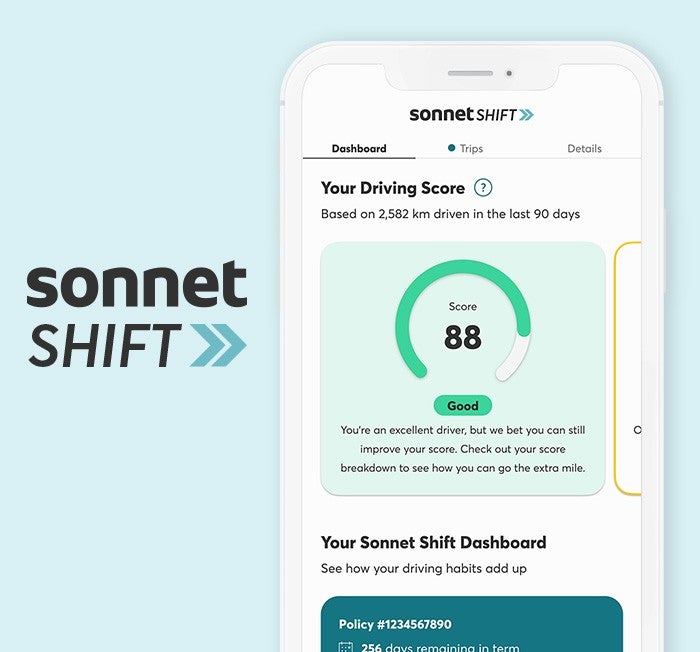
Usage-based insurance relies on telematic technology to keep track of your driving habits. But what exactly is telematics? Well, it uses your smart phone to record things like vehicle location, speed and driving activity. (Some insurers rely on a plug-in device). And then based on this data, insurers can determine how safe of a driver you are.
In Canada, usage-based insurance typically relies on a mobile app to record your driving habits. Once the app is set up, you just get in your car, put your seatbelt on, and drive. Each insurance company might vary on the type of data collected, but generally, these are the metrics that are recorded:
- Smooth driving: Braking and accelerating suddenly versus driving smoothly
- Mobile use: Distracted driving versus having your full attention on the road when behind the wheel. Note – even using your phone hands-free can slow down your reaction time. If you need to use your phone, find a safe place to pull over first.
- Speed: Going above the indicated speed limit versus following it
- Fatigue: Long periods of driving without breaks versus short drives
- Time of day: Driving during heavy traffic periods or at night versus driving when the roads are less busy and during the day
How can I get a discount with usage-based insurance?
Well, it depends on a couple of things. To start, some insurers will give you between 5-10% off just for joining the program. A bonus if you ask us! And then as they learn more about your driving habits, this discount is replaced by a savings – or surcharge. Even more reason to follow the rules of the road!
With traditional car insurance, your premium is calculated on things like your age, where you live, the type of car you drive, and your driving history. While usage-based insurance takes these details into consideration, your driving habits determine how much your total premium will be. So how much or if you get a discount depends on your driving habits.
If you follow the rules of the road, you could save up to 35% on your auto insurance premiums. But on the flip side, if you’re a riskier driver, your premium could increase up to 30% (all depending on your insurer of course). Typically, your auto insurer will review your driving behaviour at specific time(s) of the year and adjust your premium. So, the good news is that there’s always room for improvement.
What are the pros of usage-based insurance?
Savings on auto premiums
You automatically save just by joining a usage-based insurance program. Eventually the enrollment discount will be replaced by a safe driving discount – or a surcharge – depending on your driving behaviour. The safer you drive, the more likely you’ll save.
Encourages safer driving
Another great thing about usage-based insurance is that it encourages users to be better drivers. Both new and experienced drivers can demonstrate their driving capabilities and get tips on how to improve.
Plus, safe driving not only benefits you, but your car is better off too. When you’re a responsible driver, you’re more likely to save on gas and reduce general wear and tear on your car.
Helps with accident investigations
Only some insurance providers will use telematic data to help adjust a claim. Another reason why it’s important that you read the fine print before you sign up! Sometimes it’s tricky figuring out who’s at-fault when you’ve been involved in an accident. But when you have usage-based insurance, it provides details such as your exact location or if speed was a factor. This kind of information can help determine what exactly happened. For example, if you brake suddenly because someone was speeding, claims adjusters can piece the story together based on data recorded in the app.
And if you’ve ever been a target of a fraudulent claim, you’ll be happy to know that usage-based insurance has your back. Think of it like this, if an accident is fake, there won’t be any data to back up the claim. Another bonus!
It’s easy to get a quote and purchase
You can get a quote and purchase usage-based insurance in just a few minutes. And with some providers, you can manage everything online. (Think updating coverages, personal info, and access to proof of insurance). Once you’ve signed up for the program, you can download the insurance app in just a few taps on your phone. Or if you’re using a plug-in device, it’s usually pretty easy to install. And that’s it! Once you start tracking your driving, you’ll hopefully start saving money in no time.
What are the cons of usage-based insurance?
Surcharges for risky driving
The flip side of not being a good driver is that you’re more likely to pay more for car insurance. If you often speed, brake suddenly, or drive late at night, you might not receive any driving discounts. But there’s always room for improvement and the app may even provide helpful driving tips with easy ways to improve your driving habits.
Concerns about data privacy
If you’re concerned about data privacy, keep in mind that you already trust your insurer with a lot of personal information. And on top of that, they have to follow all applicable privacy laws and regulations. So, when it comes to having your driving tracked and recorded you can rest assured. As with anything, it’s important to understand what you’re signing up for and how your info will be used. But users should have full confidence that insurers will protect their information from unauthorized usage.
Questions about accuracy
Some critics question how accurate auto insurance tracking apps are and whether they can really tell if you’re a good driver – or not. Well, smartphones and tracking devices are pretty smart at recording your exact driving habits. But phones don’t know everything – like who’s behind the wheel. So, you may need to select if you’re the driver or if you’re in a taxi or bus, to make sure all trips are recorded correctly.
Can I get a driver discount without participating in a usage-based insurance program?
If you decide usage-based insurance isn’t a good fit for you, there are still many other ways you can save on your car insurance.
- Claims free: If you’ve had no claims in the past six years, it could mean extra cash in your wallet
- Multi-vehicle: If you have more than one car under the same auto policy you could qualify for a multi-vehicle savings
- Multi-policy: Bundle your home and auto insurance together and you could save more on both policies
- Winter Tires (only in Ontario): They’ll keep you safe and help you save on your auto insurance
Is usage-based insurance available across Canada?
Not all provinces and territories have the usage-based insurance option. But check with your insurance provider.
Currently usage-based insurance is available in:
- Alberta
- Ontario
- Québec
- New Brunswick
- Prince Edward Island
- Nova Scotia
Currently usage-based insurance isn’t available in:
- British Columbia
- Saskatchewan
- Manitoba
- Yukon
- Northwest Territories
- Nunavut
Participating in a usage-based insurance program is completely voluntary and you can opt out at any time. But why wouldn’t you want to take advantage of a possible discount? When it’s time to renew your policy, check out usage-based insurance options. If it’s not something your current insurer provides, it might be time to switch your car insurance.
Sonnet Shift is our usage-based insurance program that puts drivers in control of their car insurance premiums. Drive safe and start saving – get Sonnet Shift today!