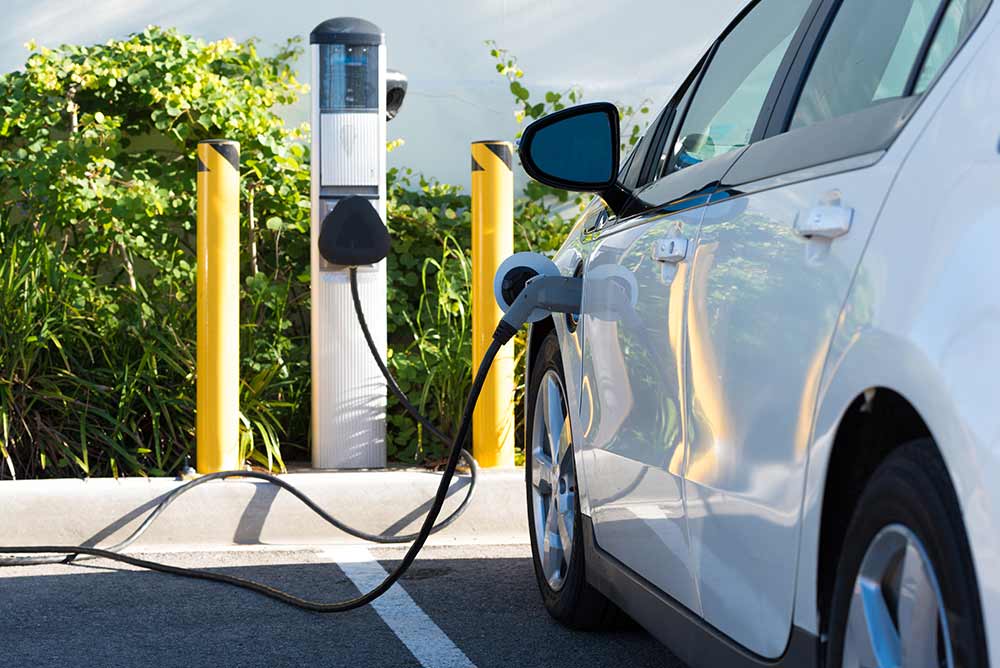
The pros and cons of electric cars

TL;DR 

  • Yes, they save you money long-term. The average Canadian driver can save about $2,000 a year on fuel by switching to an EV. Electric cars also have fewer moving parts (200 compared to 2,000 in a gas-powered car), which mean much lower maintenance costs.
  • You can lower upfront costs with government incentives. With Canada’s federal iZEV program, you can get up to $5,000 off the purchase price of a qualifying new battery electric vehicle, or between $2,500 and $5,000 for a plug-in hybrid. Provincial rebates can also help you save even more.
  • They cost slightly more to insure. With more advanced technology and specialized parts, EVs are generally more expensive to repair or replace, which typically leads to higher insurance premiums. However, your final rate still depends heavily on your driving record, age and location.

Between rising gas prices and climate concerns, you might be considering getting an electric vehicle (EV). Like any large purchase, it’s a good idea to do some research before making the switch. 

Here’s a roundup of the pros and cons of electric cars to help you make the right choice for your budget and driving habits.

What's on this page?
View more, View less

What are electric cars?

Electric vehicles (EVs) are cars that run either partially or entirely on electricity. Unlike traditional gas-powered cars, EVs use electric motors powered by rechargeable battery packs. They’re becoming increasingly common: Zero-Emission Vehicles (ZEVs) made up 12.2% of all new vehicle sales in Canada in early 2026, a big increase from 6.5% the year before.1

There are three main types of electric vehicles:

  • Battery Electric Vehicles (BEVs): Fully electric cars that run on battery power and produce zero tailpipe emissions
  • Hybrid Electric Vehicles (HEVs): Cars that have both a gas engine and an electric motor. The battery is charged through regenerative braking rather than plugging it in.
  • Plug-in Hybrid Electric Vehicles (PHEVs): Like regular hybrids but with a larger battery that you can plug in to charge, allowing you to drive on electric power for shorter distances before the gas engine kicks in.

Pros of electric cars

Lower fuel and operating costs

EVs were quite expensive when they first hit the market, but they’re becoming more affordable with ongoing tech advancements. They can also be cheaper to run in the long haul. The average Canadian who drives 20,000 km per year can save about $3,000 on gas alone (and that figure continues to rise alongside gas prices).

EVs also have fewer parts than cars that run on gas (about 200 parts compared to 2,000). Fewer parts mean less maintenance (no spark plugs to replace and no oil to change): switching to an electric car can cut routine maintenance costs by 40–50% compared to a gas-powered car.2 A study by Clean Energy Canada also showed that over a 10-year cycle, a small electric hatchback can save a Canadian driver over $30,000 in total ownership costs compared to a similar gas car.3

Canada’s federal rebates and incentives for EVs

The government introduced the iZEV program in 2019 to help encourage Canadians to buy electric. It offers incentives like:

  • $5,000 off the purchase price of a qualifying new battery electric vehicle
  • $2,500–$5,000 for a plug-in hybrid (depending on battery size)
  • Up to $5,000 for a hydrogen fuel cell vehicle

TIP: Check to make sure the make and model of your EV is eligible for the iZEV program to take full advantage of incentives. You can only qualify for one rebate under the iZEV program each calendar year. There are also provincial incentives to help you save even more.

Widely available charging stations

When EVs first came out, the lack of charging stations was a major turn-off. Thankfully, battery life has improved, as well as the charging infrastructure across Canada and many parts of the world. The number of available charging stations will likely continue to grow, as governments and corporations pledge to do more to reduce climate change.

Environmental benefits and lower emissions

EVs are generally better for the planet than gas-powered cars because they produce much less greenhouse gas. It’s one of the most attractive features for buyers who are trying to reduce their carbon footprints. By switching to an EV, the average Canadian driver can reduce their car's greenhouse gas emissions by as much as 90%.

Cons of electric cars

Higher upfront cost

Despite government rebates, EVs are generally still more expensive upfront than equivalent gas-powered cars. While that gap is closing (and the market for used EVs is growing), sticker shock remains a hurdle for many.

Longer charging time vs. refuelling

Filling up a gas tank takes just a few minutes, but charging an EV requires a bit more patience. Even with a Level 3 fast charger, getting to an 80% charge can take 20–40 minutes depending on the vehicle. If you’re relying on a Level 1 or Level 2 charger at home, a full charge can take a few hours or happen overnight, meaning long road trips require a bit more planning.

Battery replacement costs

EV batteries are designed to last a long time (typically eight years or more as guaranteed by warranties4), but they do degrade and lose some of their max capacity over time. If a battery needs to be replaced out of pocket once the warranty expires, it can be a costly repair.

Cold weather range impact

Canadian winters can be tough on electric vehicles. Cold temperatures slow down the battery's chemical reactions, and running the heater draws significant power. This can temporarily reduce an EV's driving range by 20–40%5 in sub-zero weather, meaning you'll need to charge more frequently in the winter.

Electric cars vs. hybrid cars

Choosing an EV or a hybrid comes down to personal preference. Both have advantages and disadvantages. The main difference between the two is that a hybrid can run on both a battery and gas. When the battery that feeds the electric motor is drained of power, a gas-powered engine kicks in. On the other hand, an electric car runs only on battery.

With this in mind, think about your commute and how much you use your car. For drivers that typically take shorter trips, an electric car may be a good option. But for those with a longer commute, a plug-in hybrid may be a wiser choice.

Are electric cars more sustainable?

In short, yes. According to Transport Canada, transportation is the second largest source of greenhouse gas (GHG) emissions in Canada. Since electric cars produce much lower amounts of greenhouse gases than gas-powered vehicles, they're more sustainable. This remains true even when you take the vehicle's entire life cycle into consideration. Thankfully, most of Canada's electricity comes from hydro and nuclear energy, which are lower-emitting greenhouse gas sources. So, while not perfect, an EV is a step towards a lighter environmental impact.

Insuring an electric car

You might be wondering if electric cars need insurance. Although they’re more technologically advanced, an EV is no different from a gas-powered car when it comes to auto insurance. It's mandatory to have it by law.

Are electric cars cheaper to insure?

Typically, it costs slightly more to insure an electric vehicle than a gas-powered one. The reason is that it can be more costly to repair an electric vehicle if you get into an accident, or if your car is stolen and needs to be replaced. 

How much does it cost to insure an electric car?

The cost to insure an electric car will depend on many factors, including your claims history, driving record, age and where you live. To find out the exact cost to insure your electric car, you'll need to get a personalized quote.

Do electric cars need different insurance coverage?

Electric car policies feature the same coverage options as gas cars. Typical auto policies include things like liability, accidents, collision and comprehensive coverages. Since EVs can be more expensive to repair or replace, you might want to consider additional optional coverage. When in doubt, review your policy so you know what's covered and what's not.

Are electric cars worth it?

Ultimately, whether an electric car is worth it depends on your lifestyle and driving habits. If you take advantage of government rebates, have a predictable commute and want to reduce your environmental impact (while saving on fuel and long-term maintenance), an EV is a great choice. However, if you regularly take long road trips, don’t have access to convenient charging or are focused solely on the lowest upfront purchase price, a hybrid or traditional gas vehicle might still be a better fit for you right now.

Considering purchasing an EV? Sonnet is here to help.

Whether you choose to drive a fully electric vehicle, a hybrid or a gas-powered car, having the right protection is key. Sonnet makes it simple to get custom auto insurance entirely online. Get a quote today to see how much you could save on your car insurance and drive with confidence!

Frequently asked questions (FAQs)

How long do electric car batteries really last?

Most new EV batteries are designed to outlast the car itself. In Canada, manufacturers typically offer warranties on EV batteries for at least 8 years or 160,000 kilometres.5 While all batteries gradually lose some of their maximum capacity over time, most modern EV batteries are expected to last 10–20 years before they need to be replaced.

Can I charge my electric car with a regular wall outlet?

Yes, you can plug an EV into a standard 120-volt household outlet (known as Level 1 charging). However, it’s a very slow charge, giving you only about 6–8 km of range per hour. Most EV owners install a 240-volt (Level 2) charger at home, which can fully charge the battery overnight. While Level 1 charging is free, buying a Level 2 charging unit typically costs between $500–$1,100, with installation by a certified electrician running between $1,000–$3,000, depending on your home's electrical panel capacity.6


How much range do electric cars lose in Canadian winters?

You can expect an EV to lose about 20–40% of its driving range7 in extreme cold weather. This happens because cold temperatures slow down the battery's chemical reactions, and running the heater uses a significant amount of power. You can minimize this range loss by keeping the car plugged in and pre-heating before you drive.

Are electric cars actually cheaper to maintain than gas cars?

Generally, yes. Electric vehicles have significantly fewer parts than traditional gas-powered cars. Because they don't have internal combustion engines, you'll never have to pay for oil changes, spark plug replacements or new fuel filters. Plus, the regenerative braking system in EVs means your brake pads tend to last much longer.

What happens if an electric car runs out of battery on the road?

If your EV runs out of power, it will eventually shut down, just like a traditional car running out of gas. However, your car will give you plenty of dashboard warnings long before this happens, often routing you to the nearest charging station. If you do end up stranded, you’ll need to call a roadside assistance service to tow your EV to a nearby charger, since most EVs can’t be flat-towed and require a flatbed truck.8

Sources

Coverage your car’s always wanted at a competitive price.